




So business travel is back. Not exactly the way it left, though. Global corporate travel spending will likely hit $1.57 trillion in 2026, per the GBTA. The average trip now costs $1,128 per traveler. That’s up from $834 just a year ago.
Executives are flying more. Spending more. Getting watched closer by finance teams than they were before the pandemic. So how does that change the way you book ground transportation? Quite a bit, actually.
The choice between a rideshare and a real chauffeur isn’t just about comfort anymore. It’s about Duty of Care. Cost predictability. Recovering an hour of work between the gate and the meeting. Managing risk you didn’t realize you carried. This guide walks through what’s actually changed. And how to book like a pro.
Why Ground Transportation Got Strategic All of a Sudden
For years, ground transportation was an afterthought. Companies obsessed over airfare. They negotiated hotel rates. The ride from the airport? Whatever the traveler felt like opening on their phone. That era is ending fast.
Right now, 78% of Fortune 500 companies include ground transport in Duty of Care policies. Back in 2020, it was 52%. The Advito Corporate Travel Report tracked the shift. What does it mean for you? You can’t just thumb open a rideshare app at the curb anymore. Company policy factors in. The rules caught up to the ride.
Why now? Because finance departments figured out something embarrassing. They were underestimating ground transport costs by 35 to 47 percent. Every quarter. The GBTA Foundation’s 2026 benchmark caught the gap. Surge pricing, surprise wait fees, unbilled tolls, parking surcharges that nobody flagged. Worst of all? The hours lost to delayed pickups when a driver canceled at the last minute.
So What’s the Real Cost Difference?
If you’re flying four or more times a month, the math gets pretty interesting. Professional chauffeur services run about 23 percent cheaper annually than rideshare. That’s after totaling every line. The reason is simple. Flat rates don’t surge. Wait fees don’t pile up. Missed-flight rebookings rarely happen.
Then there’s the hidden cost most people miss entirely. Your time. Say you bill $300 an hour. Twenty minutes watching a rideshare app is $100 lost. The company eats it. Recover 30 minutes of actual work per trip. Now stretch that across a year of weekly flights. The number gets uncomfortable.
Limo vs Rideshare vs Taxi vs Rental: The Quick Read
Here’s how the four common options actually stack up. Not in a marketing way. The way you’d compare them if you traveled weekly:
- Chauffeured limo or black car: Rate locked in writing before you ride. Driver background-checked. Late-model fleet, inspected regularly. Flight tracking comes standard. Works for airport runs, executive arrivals, and any trip where arriving rattled isn’t an option.
- Premium rideshare like Uber Black or Lyft Lux: Pricing moves around. Driver vetting depends on the city. Vehicle quality is hit-or-miss. No real Duty of Care chain. Fine for the occasional unplanned hop. Risky as a default.
- Old-school taxi: Metered fare climbs in traffic. Vehicle quality varies wildly. No flight tracking. Useful for short cross-town runs where speed beats polish.
- Rental car: You’re in control of the schedule. But you’re also driving, so you lose the productivity window. Add parking, fuel, and insurance. Multi-day trips with several stops? Sometimes it makes sense.
For executives doing four-plus trips a month, the chauffeur option usually wins on total cost. Factor in time recovered, missed-flight risk, and compliance. It’s not particularly close.
What Duty of Care Actually Means Here
Duty of Care is a legal obligation. Companies must keep employees safe during work activities. Sounds dry. It isn’t. The GBTA frames it as a fiduciary-level responsibility. That covers safe lodging. It covers vetted suppliers. It covers having an emergency plan when things go wrong abroad.
Now look at the UK, where this has actual teeth. The 1974 Health and Safety at Work Act extends duty of care across work activities. The Corporate Manslaughter and Corporate Homicide Act of 2007 made it sharper. Ground transport falls inside that framework, plainly. If your company uses an unlicensed or unvetted transport provider, the organization is legally exposed.
And here’s the part that surprises a lot of travel managers. Even licensed rideshare platforms can’t satisfy full corporate Duty of Care. They don’t give you advance driver confirmation. They don’t offer journey tracking that the company can see. They don’t keep driver-hour compliance records you could pull in an audit. The gaps add up.
What a Real Chauffeur Service Actually Provides
Licensed commercial chauffeurs. Verified credentials. Clean driving records. Vehicles inspected and certified to commercial standards. Liability insurance well above what consumer rideshare carries. Live GPS tracking that the company can see, not just driver-side data.
Driver-hour limits matter more than most people realize. Fatigue is one of the leading causes of serious road incidents. Top operators cap shifts at 10 to 12 hours. Background-checked chauffeurs and drug testing programs round out the safety net. Consumer platforms? They just can’t match that architecture, and they don’t pretend to.
Booking Smart: What to Actually Look For
Not every car service operates at the level corporate travel demands. Travel managers and EAs vet providers against specific criteria. Only then do operators land on the preferred-supplier list. Want to book like a pro? Ask the same questions before you reserve.
Flat-Rate or Metered? Easy Answer
Metered pricing climbs in traffic. It climbs at surge times. It climbs through detours. Flat-rate locks the cost when you book. It holds steady no matter what the road throws at you. For airport runs especially, flat-rate almost always lands cheaper. Even before you add the tolls and wait fees a meter would tack on.
Always get the rate in writing. A reputable operator emails a confirmation. It lists the price, vehicle, chauffeur name, and pickup window. If a company won’t put the rate in writing, walk away. That’s a clear red flag, and it shows up every single time.
What a Quality Fleet Looks Like
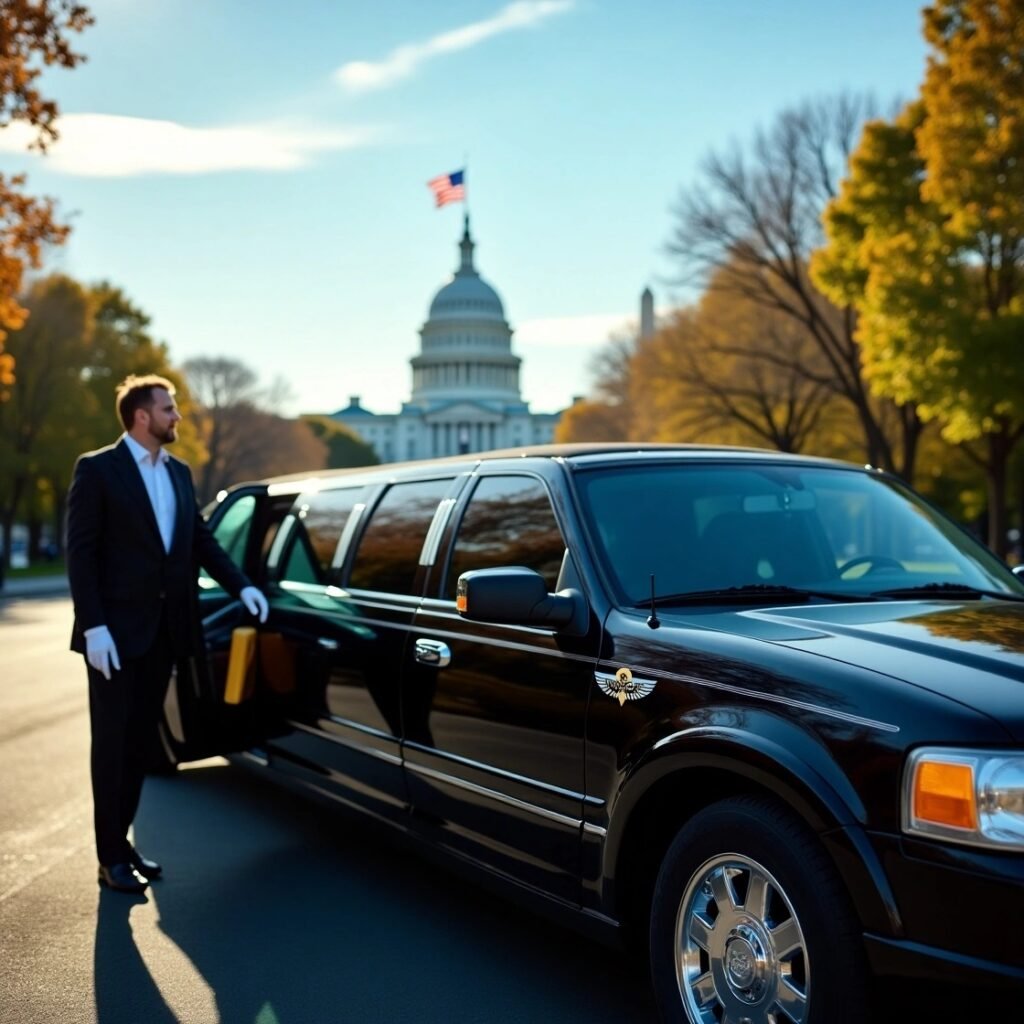
The Mercedes S-Class and Cadillac XTS still lead the executive sedan market. The Lincoln Town Car and Cadillac Escalade fill out most fleets. The vehicles should run under five years old. Inspections should happen monthly. Interiors should be spotless. First impressions ride or die on details like these.
Ask about backup vehicle protocols. A serious operator keeps reserve vehicles on standby. They exist for the moments when something goes wrong. Mechanical issue with the primary car? A backup shows up in minutes. National rideshare apps just cancel and reassign. You’re stranded at the curb.
Matching the Vehicle to the Trip
Not every trip needs the same ride. Smart travel managers map vehicle classes to trip types upfront. Here’s the working guide most use:
- Luxury sedan (1-2 passengers): Mercedes S-Class or Cadillac XTS. Solo executive airport runs, discreet VIP arrivals, single-passenger transfers.
- Executive SUV (3-6 passengers): Cadillac Escalade or Lincoln Navigator. Small teams, international arrivals with luggage, family pickups for relocating executives.
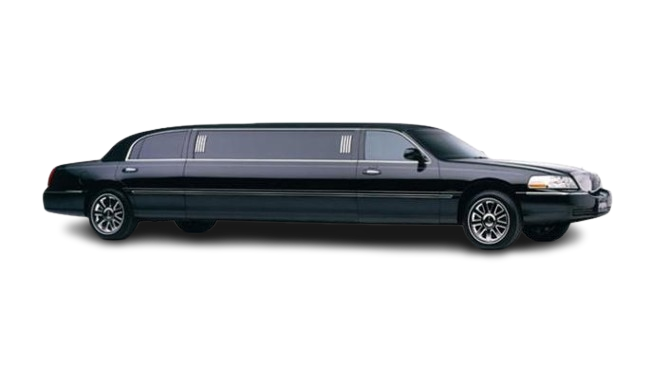
- Stretch limousine (8-10 passengers): Lincoln or Chrysler 300 stretch. Bachelor and bachelorette nights, milestone events, client entertainment.
- Mercedes Sprinter (12-16 passengers): Premium executive van with conference seating. Full sales teams, board groups, roadshow delegations.
- Motor coach (20-55 passengers): Company offsites, conference shuttles, multi-team transport. Best for full-day group bookings with multiple stops.
Match the vehicle to the trip with a little buffer. A 16-passenger Sprinter gets cramped fast once you add luggage and bags. Step up one size and the ride stays comfortable.
Chauffeur Vetting and Training
Real chauffeurs hold commercial driver’s licenses or TLC permits, depending on the city. Most reputable companies require defensive driving certification. They run drug screens. They do federal background checks. The high-end operators add executive protection basics for clients with security profiles.
One question travel managers always ask? How long do drivers stick around. High turnover signals problems with pay, management, or scheduling. Operators with retention above 70 percent tend to deliver more consistent service over time. Same driver every Monday morning beats a stranger every trip.
Travel Patterns That Save Money in 2026
Business travel is getting smarter about every trip booked. Suzanne Neufang, the GBTA CEO, said in mid-2026 that CFOs aren’t slashing travel budgets. They’re hunting for efficient ways to get employees on the road. The same logic applies straight down to ground transportation.
Multi-City and Multi-Meeting Trips
Booking one trip with three or four meetings packed in saves money. Three separate one-day trips cost more. Less airfare. Fewer hotel nights. One ground transport bill instead of four. The same pattern works for the ground portion. An hourly chauffeur booking covering the whole day costs less than four point-to-point rides. The math flips once your stops hit three or more.
Hourly works especially well for packed schedules. Morning meetings in one neighborhood. Lunch with a client across town. Afternoon sessions back at the office. The same chauffeur stays with you the whole day. Wait time is built in. The total cost runs lower than four separate bookings every time.
Recurring Travel and Corporate Accounts
Travel to the same city two or more times a month? Open a corporate account with a preferred local operator. Suddenly you’re getting monthly invoicing instead of submitting individual expense reports. Rates lock for the year. Your preferred drivers stay assigned to you. The same person picks you up every Tuesday morning.
The admin time saved usually pays for the slight rate premium. Travel managers get clean reporting. Finance gets predictable billing. And you get the same trusted driver every trip. That matters more than people admit until they’ve had it.
Booking Channels and the Tech Behind Them
Roughly 80 percent of business travel spending now happens online, according to Phocuswright’s 2026 U.S. Corporate Travel Landscape report. Supplier-direct and mobile booking keep accelerating. And AI is starting to reshape how trips get planned, booked, and managed end-to-end.
The premium ground transport companies have caught up. Their mobile apps offer flight tracking. Live chauffeur location. Automatic delay adjustments. Digital receipts that pull straight into Expensify or SAP Concur. Mobile wallet usage in business travel hit 64 percent globally in 2026. Asia Pacific leads at 72 percent adoption, which probably surprises nobody who’s traveled there recently.
AI and Booking Tools: Useful or Overhyped?
AI booking tools are gaining ground in 2026. Asia Pacific runs ahead, with 78 percent of business travelers saying they’re comfortable using them. That’s from the GBTA 2026 Business Travel Index. North America sits lower but is climbing. The tools predict delays. They suggest pickup windows that actually fit. They tie into your travel management platform.
Should you trust them blindly? Probably not, especially for international or high-stakes trips. Always cross-check AI-generated bookings against a human-confirmed itinerary. The technology is improving fast. It won’t replace a trained travel pro reviewing high-stakes trips.
The Limo as Your Mobile Office
For executives running tight schedules, the limo isn’t just a ride. It’s a 30 to 60-minute productivity window between the airport and the meeting. Premium fleets have built their interiors around exactly that reality.
Onboard Wi-Fi is now standard in most executive-class vehicles. USB and USB-C charging ports sit at every seat. Climate control runs quiet enough for video calls. Nobody on the other end asks about your background noise. Privacy partitions separate the cabin from the chauffeur for sensitive conversations. Tinted windows keep document review from the eyes of curious pedestrians at red lights.
Some operators have taken it further. Foldable workstations. Premium audio for conference calls. Noise-canceling cabin design. Sprinter executive vans push the format with conference-table seating for four to six riders. Teams can run pre-meeting strategy sessions on the ride in. The deck is already finalized when they walk into the room.
The math is pretty straightforward. An executive billing $300 an hour recovers 45 minutes of real work per trip. That created $225 of value. From a single ride. Multiply by weekly travel. The chauffeur cost pays for itself in productivity alone. That’s before factoring in any other benefit.
Mistakes Even Experienced Executives Make
Even people who travel constantly slip up on these. The patterns repeat across industries and travel programs. Avoiding them takes a few minutes of upfront planning before each trip.
Booking Too Late
Last-minute requests during peak travel weeks land you with whoever happens to be available. The vehicle might not match your needs. The driver might not know the city. Book 24 to 48 hours ahead and you lock in your preferred operator. The right vehicle gets reserved. The flat rate gets confirmed in writing. Simple enough, but easy to skip when calendars are chaotic.
Skipping the Written Confirmation
A verbal price quote means nothing on arrival day. None. Always insist on email confirmation listing the rate, vehicle, chauffeur, and pickup window. Reputable companies send this automatically. The ones who resist? They rarely deliver consistent service. Treat it as a tell.
Treating Ground as an Afterthought
Plenty of executives spend hours optimizing airfare and hotel bookings. Then they default to a rideshare at the curb without thinking about it. The logic costs money. It also creates risk you might not see coming. The ground portion of every trip is where Duty of Care obligations meet the road.
Mixing Personal and Business Bookings
Some executives book ground transport on a personal account when traveling for work. It feels harmless. It isn’t. It breaks expense compliance. It distorts company travel data. And if something goes wrong on the trip, the problems multiply fast. Booking on the corporate account or through a preferred supplier is always cleaner. Always.
Sustainability Has Become a Procurement Requirement
Sustainability shifted from a corporate pledge to a procurement requirement in 2026. Many global companies now include emissions data right in the booking flow. Rail swaps, greener hotels, and lower-emission ground transport factor into preferred-supplier selection. France even banned short-haul flights where rail alternatives exist.
For ground transport specifically, smart operators now provide emissions reporting alongside trip receipts. Some have rolled out hybrid and electric vehicle fleets. The Mercedes EQS and Lincoln Aviator hybrid show up in premium fleets now. If your company tracks Scope 3 emissions, you can request specific vehicle types at booking. Useful for the annual sustainability report.
Smart booking platforms also consolidate reporting across air, hotel, and ground. The single dashboard helps travel managers track emissions, spend, and policy compliance side by side. No more chasing three separate reports for the same trip.
What Travel Managers Actually Want from Suppliers
Travel managers say 55 percent of companies cite compliance as a top concern in 2024. The data is from the Deloitte Corporate Travel Study. Yet only 56 percent of business travelers always book through the company’s preferred tool. The other 44 percent slip outside the policy framework. That gap creates real procurement headaches and real expense compliance issues.
Travel managers want suppliers who integrate cleanly with corporate booking platforms. Consolidated invoicing matters. Documented Duty of Care protocols matter. They want consistent service across every market the executives visit. Not just home-city excellence and average everywhere else.
Suppliers who deliver consistently earn preferred-supplier status. That means more volume, longer contracts, and steady business. Suppliers who don’t lose accounts to operators willing to do the work.
The Takeaway
Business travel ground transportation is no longer a casual line item. It’s a Duty of Care obligation. A productivity factor. A risk management decision. A cost-predictability tool. All of those at once, depending on which lens you use. Smart executives treat it as seriously as they treat airfare and hotels.
When you’re picking an operator, look for the ones who confirm flat rates in writing. They should run vetted, late-model fleets. Their chauffeurs should train to commercial standards. Their booking platform should integrate with corporate travel tools. Ask about backup vehicle protocols, driver retention, and Duty of Care documentation. The answers separate professionals from low-cost players quickly.
Book early at AA Limousine and Sedan. Confirm everything in writing. Match the vehicle to the actual trip, not the cheapest option. Track your spending across the year. You’ll see exactly how much the right choice saves with us. Welcome to booking smart in 2026.